Acidity, Bitterness, and Sweetness
How to Recognize Them, Control Them Through Extraction, and Understand the Coffee Flavor Wheel
By Stephanie - 4 August, 2026
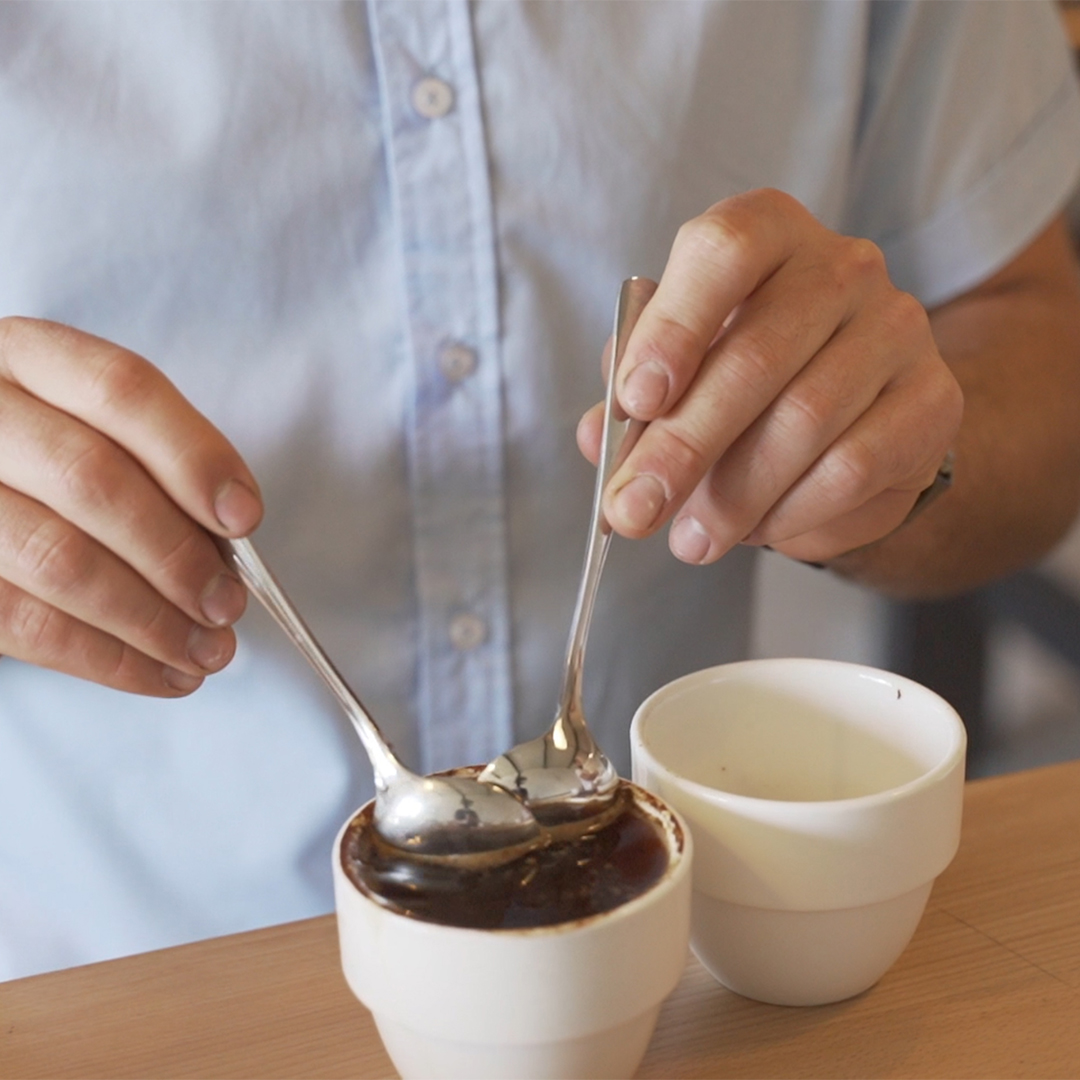
As you begin exploring specialty coffee, you'll quickly encounter terms like acidity, sweetness, bitterness, body, and balance. While these words may seem technical at first, they simply describe what you experience in the cup.
Learning to identify these sensations is the first step toward becoming a better coffee taster. The next step is understanding why they appear and how your brewing method influences them. The same coffee can taste remarkably different depending on how it is extracted. By connecting what you taste with how you brew, you'll gradually develop your palate and gain greater control over every cup.
Acidity is perhaps the most misunderstood characteristic of coffee. Many people associate it with sourness or an unpleasant sharpness, but in reality, a vibrant acidity is often a sign of a high-quality coffee. It brings brightness, freshness, and complexity to the cup, highlighting flavors such as citrus, berries, green apple, or tropical fruits. Rather than making a coffee harsh, a well-balanced acidity gives it vibrancy and liveliness.
However, it's important to distinguish pleasant acidity from sourness. A sour coffee is usually under-extracted, meaning the water didn't dissolve enough of the coffee's soluble compounds. In this case, the bright acids dominate because the sugars and richer flavor compounds haven't had enough time to develop. The result is a cup that feels thin, sharp, and unfinished.
Sweetness is what creates balance. Although roasted coffee contains very little actual sugar, our palate perceives sweetness through aromatic compounds formed during roasting and extraction. A sweet coffee may remind you of honey, caramel, brown sugar, milk chocolate, or ripe stone fruits. This natural sweetness softens acidity, balances bitterness, and gives the cup a smooth, rounded character. In many ways, sweetness is one of the clearest indicators of a well-executed extraction.
Bitterness is also a natural component of coffee and shouldn't automatically be considered a flaw. In moderation, it adds depth and structure, bringing notes of dark chocolate, cocoa, toasted almonds, or roasted hazelnuts. Problems arise only when bitterness overwhelms the other flavors. If a coffee tastes dry, harsh, smoky, or reminiscent of burnt wood or ash, it is often the result of over-extraction or an excessively dark roast.
These three taste sensations are closely connected to the extraction process. As water passes through the coffee grounds, it dissolves compounds in a specific order. The bright acids and delicate aromatic compounds are extracted first, followed by the sugars and compounds responsible for sweetness and body. Finally, the heavier compounds that contribute bitterness are extracted.
This explains why an under-extracted coffee often tastes sour and lacks sweetness, while an over-extracted coffee becomes bitter and drying. The goal of every brew is to find the balance point where acidity provides brightness, sweetness adds richness, and bitterness contributes a pleasant, lingering finish without dominating the cup.
Fortunately, you can influence this balance by adjusting your brewing parameters. A finer grind slows the flow of water and increases extraction, while a coarser grind does the opposite. Brewing time, water temperature, coffee-to-water ratio, and pouring technique also have a significant impact. When experimenting, it's best to change only one variable at a time so you can clearly understand its effect on the final cup.
One of the most useful tools for developing your tasting skills is the Coffee Flavor Wheel. It provides a common language for describing aromas and flavors. At the center of the wheel are broad categories such as fruity, floral, nutty, chocolatey, spicy, and herbal. As you move outward, these categories become more specific, helping you distinguish between raspberry and cherry, or hazelnut and cocoa.
The Flavor Wheel isn't about finding every tasting note listed on a bag of coffee. Instead, it helps train your senses and expand your sensory vocabulary. The more coffees you taste, the easier it becomes to recognize subtle differences and connect them to familiar foods and aromas.
Developing your palate takes practice, but it doesn't have to be complicated. Compare two different coffees brewed using the same method, taste fresh fruit before drinking a coffee with similar flavor notes, or keep a simple tasting journal after each brew. Over time, you'll begin to notice how small adjustments in grind size, extraction time, or temperature can dramatically change the character of a coffee.
Ultimately, coffee tasting isn't about finding the "perfect" cup, it's about understanding balance. A memorable coffee is one where acidity brings brightness, sweetness creates harmony, and bitterness provides depth without overpowering the other flavors. Once you understand how these elements interact, every brew becomes an opportunity to learn, refine your technique, and appreciate the extraordinary diversity of specialty coffee.